
Alienum phaedrum torquatos nec eu, vis detraxit periculis ex, nihil expetendis in mei. Mei an pericula euripidis, hinc partem.

Environment and indigenous communities

FIBGAR / LATAM Observatory  / Environment and indigenous communities

Historically, Argentina has positioned itself as a pioneer, a model, and a guarantor of human rights worldwide. Over the past 40 years, it has been one of the few countries to ratify all international treaties protecting human rights, granting them constitutional status (OHCHR 2024) and, as highlighted by the Office of the UN High Commissioner...

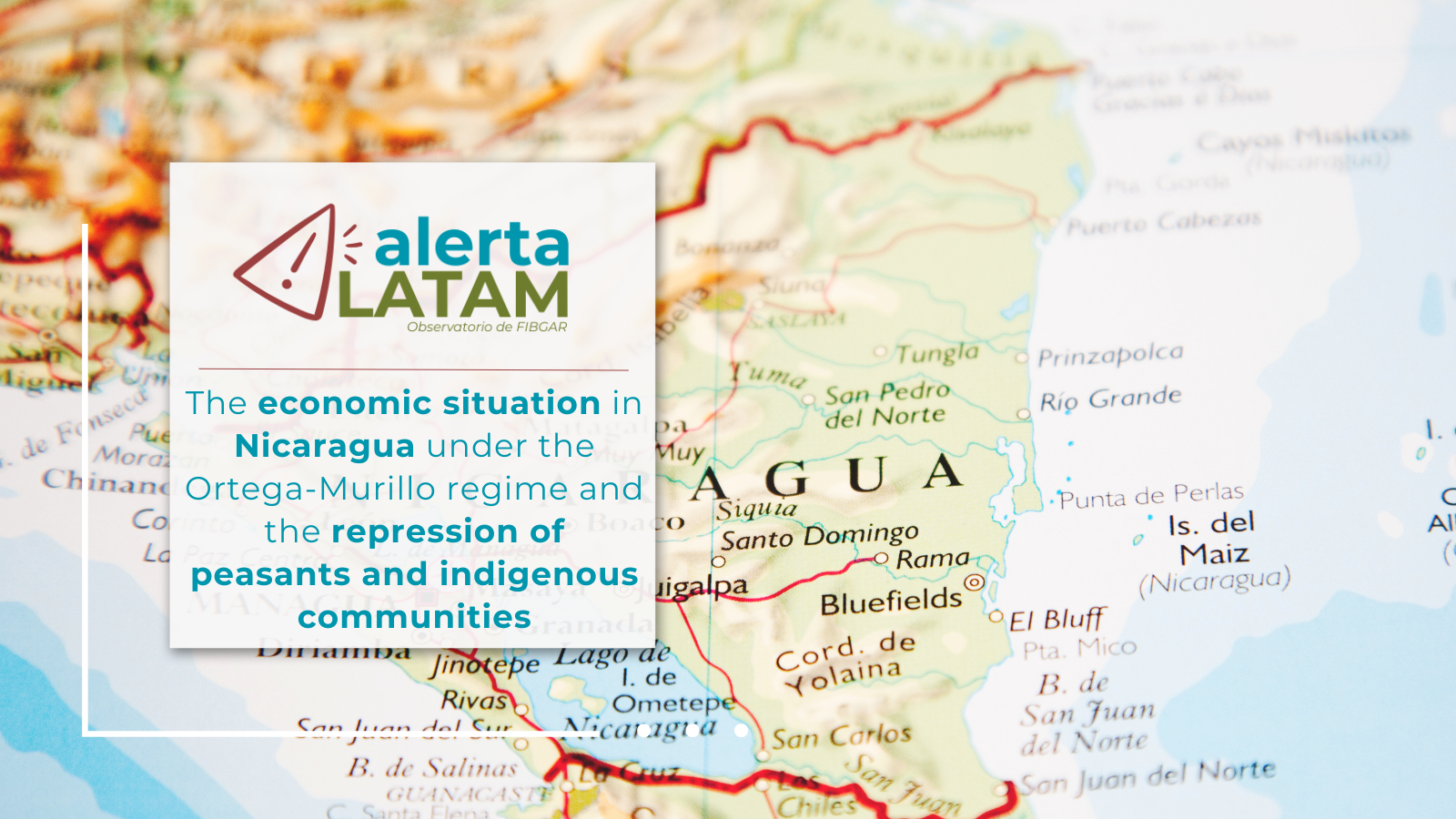
Nicaragua possesses a wealth of natural resources, notably gold and timber, but its strategic geographical position has also encouraged large-scale projects such as the Nicaragua Canal, with foreign backing – notably from major Chinese investors – and has served as a gateway or transit zone for migrants travelling between South and North America. But how...

Introduction Historically, the cultural diversity of countries has, on numerous occasions, been characterised by practices of racism and exclusion towards indigenous peoples. This situation is reflected in the limited exercise of their rights and duties, as well as the insufficient incorporation of their basic needs into public policies; this creates gaps in maintaining a healthy and...

“It sounds strange, doesn’t it? This idea that nature has rights… It’s madness. As if nature were a person! Yet it sounds perfectly normal that large US corporations should enjoy human rights.”  Eduardo Galeano (2017) Nature as a subject of rights According to the Earth Law Centre, the rights of Nature (hereinafter RN) are defined as “the specific...